







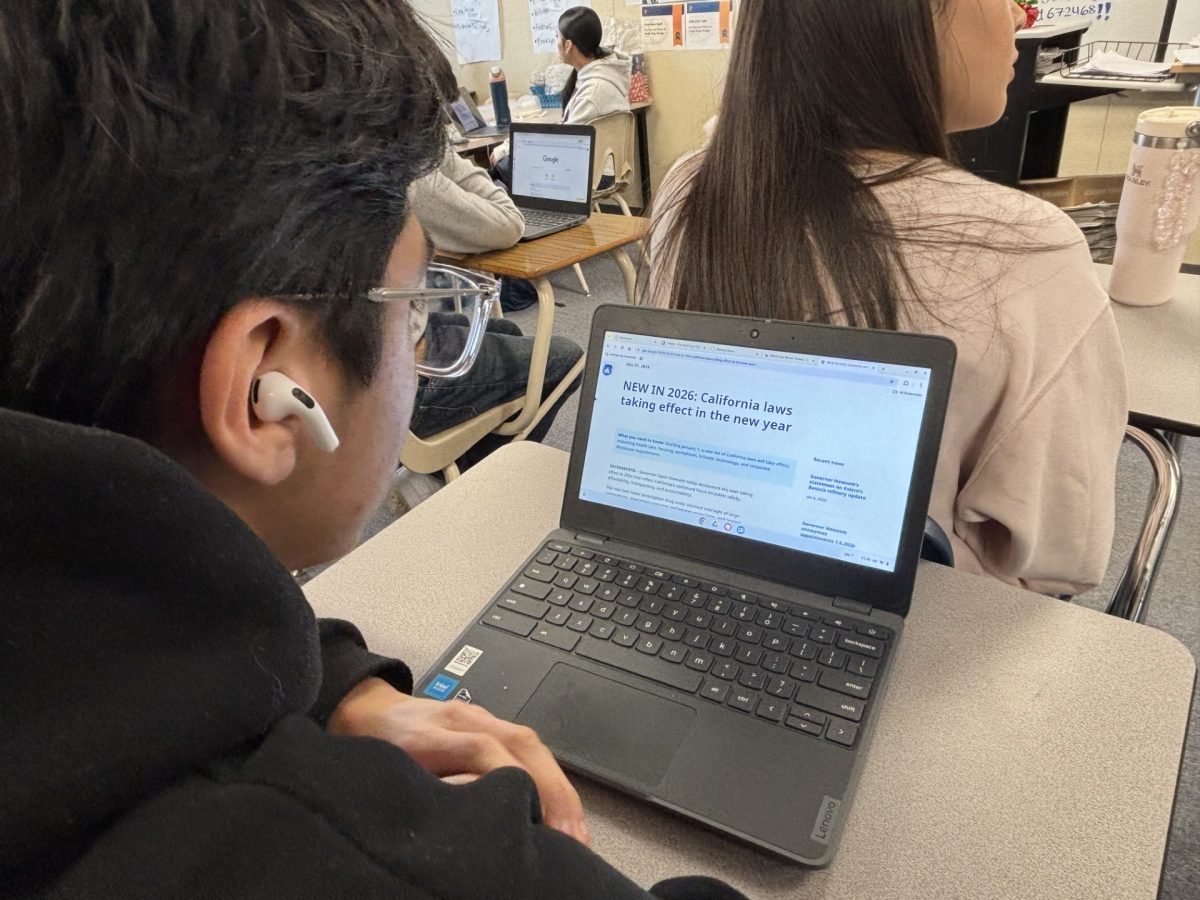
As California enters the new year, a new set of 2026 laws takes effect across the state. Lawmakers are not only creating new rules but also reinforcing existing reforms. From classrooms and workplaces to healthcare and housing, these changes are meant to directly impact Californian lives.
An official press release from Governor Gavin Newsom reads, “The new laws lower prescription drug costs, increase oversight of large corporations, strengthen consumer and worker protections, and protect California’s diverse communities. At a time when the Trump administration is attacking our state, California is protecting its people.” Newsom makes it clear that his priority is the well-being of California residents. For example, SB 640 establishes a California State University (CSU) direct-admissions program for eligible high school seniors, granting automatic admission to certain campuses. In health care, SB 40 places a price cap on insulin to maintain affordability for insulin-reliant Californians. With the exponential rise in Artificial Intelligence, various standards have been established to control and mitigate risks associated with its use, including AB 489, which prevents AI from presenting as licensed professionals, and SB 243, which protects minors using AI chatbots. Newsom emphasizes the importance of addressing emerging issues now, stating, “These new laws reflect who we are: a state that protects workers, respects students, puts people before politics, and isn’t afraid to hold powerful interests accountable.”
Ridgeview High School’s Paul Hernandez shares his own perspective as a long-time government teacher. From a more political perspective, when asked which law he deemed most significant, Hernandez states, “I honestly think it’ll be the one about redistricting.” Hernandez focuses on Proposition 50, passed in November of last year but effective for this year’s elections, which allows California to enforce new, legislatively drawn district maps. This is in response to Republican-favoring redistricting in states such as Texas, and is intended to boost the Democratic Party. Hernandez explains that this new proposal may harm certain, more conservative residents; however, implementation is crucial when considering the election. He admits, “If we do it, it’s going to look bad…but for the longevity of ensuring that our state remains…in a position to where we can be consistent with where we are voting for the president…In order to keep a balance in the political parties, I do think this was an unfortunate, necessary evil.” As with any major decision, there are always two sides, each with varying effects and consequences. While Hernandez predicts that other policies being introduced could limit resources and lead to public frustration, he also foresees an increase in political participation, with atypical voters pitching in to oppose policies they may dislike.
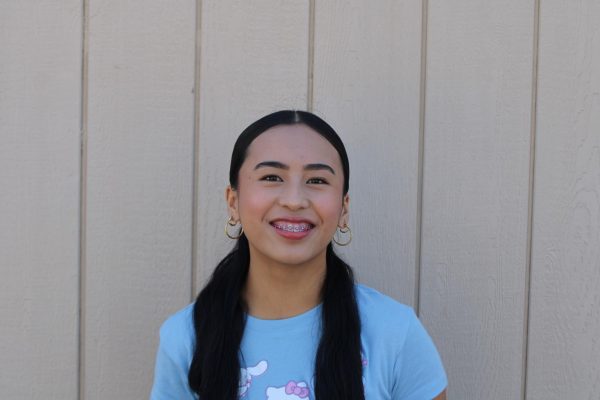
Valerie Zelaya-Rizo, a junior at Ridgeview High School, wonders how these laws will affect the rest of her high school career and upcoming college journey. With the implementation of SB 640, which almost guarantees admission to participating CSUs, Zelaya-Rizo is thrilled to hear of this supportive action. She admits, “Thinking about college has always been scary. My junior year is almost over, and I’m about to be a senior…hearing about this…helps take off a lot of the pressure.” While she hopes to attend schools outside Bakersfield, she finds it reassuring to know that CSUB is a strong option and a reliable backup. She ends her thoughts by saying, “I’m glad that California is showing up for their students…because we definitely need it.”
With these new bills in place, California hopes to see a surge of positive change in day-to-day life, and is also taking steps to reinforce its political standings in preparation for the 2026 elections. While these laws are intended to foster a more positive future, it’s crucial to remain mindful of the current reality. Hernandez ends on a cautionary note, reminding, “There’s always a theoretical side of a policy that when it’s implemented, you see the realities of it. It normally doesn’t go the way that it’s been politicized.”